
 Hover to Zoom
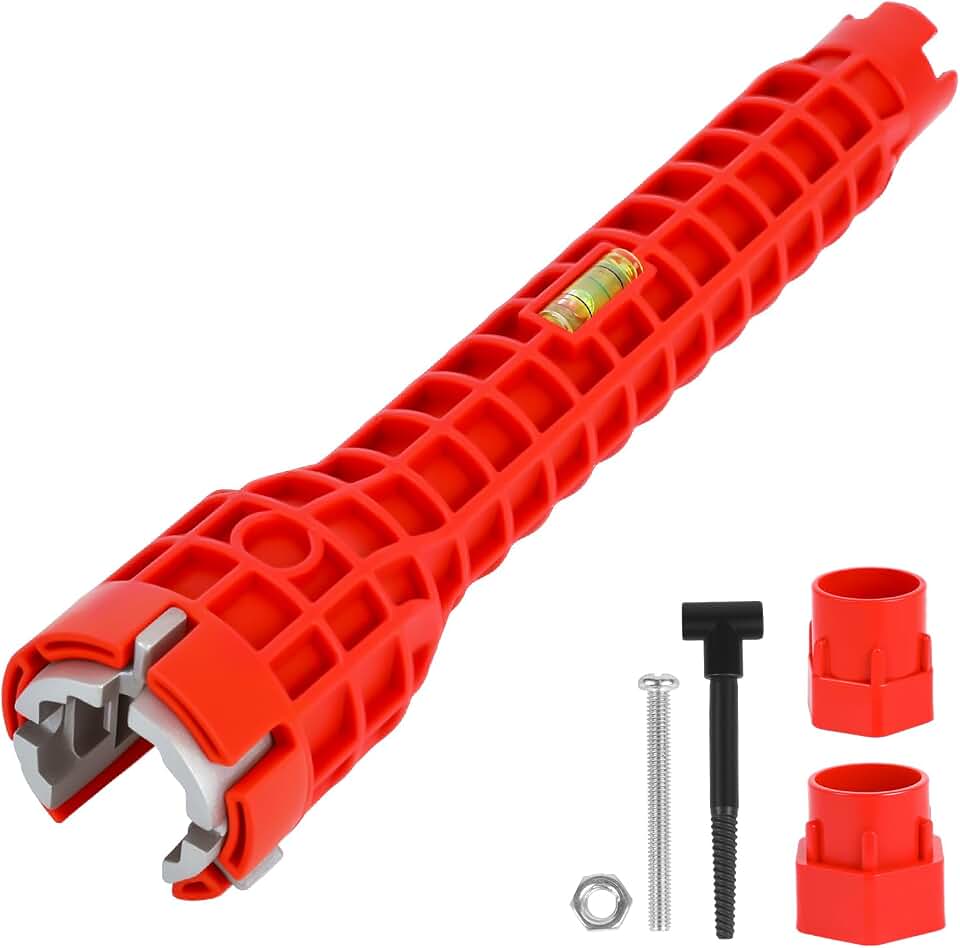
Sink Faucet Pipe Installer Wrench, Plumbing Tool for Bathroom Kitchen Toilet
Product Description
Sink Faucet Pipe Installer Wrench
Designed for the precise task of installing sink faucets, this plumbing tool serves the bathroom, kitchen, and toilet environments. The wrench is intended to work with the pipe connections that secure a faucet to its mounting surface.
Typical Installation Settings
- Bathroom sinks, where a faucet attaches to a cabinet or countertop.
- Kitchen sinks, where the faucet is mounted above the basin or countertop.
- Toilet setups, where a faucet or flush valve connects to the water supply line.
Function of the Wrench
The tool provides the mechanical advantage needed to tighten or loosen pipe fittings that secure a faucet. By applying torque to the pipe threads, it allows the installer to achieve a firm seal without over‑tightening. The wrench’s jaws engage the pipe directly, enabling a clean grip on the threaded section.
Using the Tool
Prior to use, the installer should ensure the area around the pipe is clean and dry. The wrench is placed on the pipe, aligning the jaws with the threads. Turning the wrench clockwise generally tightens the fitting, while a counter‑clockwise motion loosens it. The installer may need to rotate the faucet or the pipe in opposite directions to complete the connection. The wrench’s shape allows a firm grip, reducing slippage during the turning motion.
Safety Considerations
When using any plumbing tool, it is important to wear appropriate protective gear such as safety glasses and gloves. The installer should keep fingers and hands away from the moving parts while the wrench is applied to the pipe. A firm grip on the wrench handle helps maintain control and prevent accidental release of the tool.
Maintenance and Care
After use, the wrench can be wiped clean with a damp cloth to remove any debris or water residue. It should be stored in a dry place to avoid rust or corrosion. Periodic inspection of the jaws for wear or damage ensures continued reliable performance on future installations.
Compatibility with Other Tools
Installers often use a combination of tools during a faucet installation. This wrench can be paired with a pipe cutter to shorten or shape the pipe, a torque wrench to apply a specific tightening force, or a basin wrench for working in tight spaces. The tool’s simple design makes it a useful addition to a plumbing kit.
Key Usage Tips
- Always align the wrench jaws with the pipe threads before applying torque.
- Use a steady, controlled motion to avoid cross‑threading.
- When turning the pipe and the faucet in opposite directions, maintain a steady grip to keep both components in place.
- Check the seal after tightening to confirm that the pipe is secure and that there is no leakage.
Application in Home Projects
Whether a homeowner is replacing a faulty faucet, installing a new one, or adjusting an existing plumbing layout, this wrench provides a straightforward solution for the core mechanical action of connecting the pipe to the faucet. It is suitable for both professional plumbers and individuals undertaking DIY projects.
Installation Steps Overview
The process typically follows these stages: preparation of the area, fitting of the faucet onto the mounting surface, positioning of the pipe beneath the faucet, securing the pipe with the wrench, and finally checking the final connection for tightness. Each stage relies on the proper use of the wrench to ensure a reliable and leak‑free installation.
Final Thoughts
In the context of plumbing, a dedicated wrench for installing sink faucets plays a central role in connecting the pipe to the faucet assembly. By providing the required torque and grip, it helps installers achieve a secure fit in bathroom, kitchen, or toilet setups. With consistent use, maintenance, and safe handling, the tool serves as a reliable component of any plumbing workflow.